BHA Signals Readiness for Direct Protests as Affordability Checks Loom Over UK Horse Racing
BHA Signals Readiness for Direct Protests as Affordability Checks Loom Over UK Horse Racing

The British Horseracing Authority (BHA) has made clear its willingness to ramp up protests, including more direct actions, against the UK government's proposed affordability checks on gamblers; this stance builds directly on the successes of previous campaigns like ‘Axe the Racing Tax’ and a one-day strike last year that effectively halted race meetings while blocking a proposed betting tax increase.
Unpacking the Affordability Checks at the Center of the Storm
These checks, set to target regular punters, would demand personal financial documentation from as many as 120,000 individuals, a move that industry observers warn could push around 44,000 of them toward unlicensed black market operators; that's where things get tricky, since such a shift not only undermines regulated betting but also exacerbates the already steep decline in racing's betting turnover, which has plummeted by £2 billion since 2021 amid broader economic pressures and regulatory shifts.
What's interesting here is how pilot schemes run by credit agencies have delivered inconsistent results, leaving regulators with patchy data on effectiveness while the BHA argues these measures threaten the sport's financial lifeline; horse racing relies heavily on betting levies, and any further erosion of turnover spells trouble for tracks, trainers, and jockeys who depend on those funds to keep operations running smoothly.
Take one scenario experts have modeled: a punter hits the threshold for checks, submits documents only to face delays or denials, then drifts to offshore sites offering no such hurdles; repeat that across tens of thousands, and the licensed market loses not just revenue but oversight, creating a ripple effect that hits racing hardest since it draws such a concentrated share of bettors.
Lessons from Past Victories Fueling the Current Pushback
The BHA isn't starting from scratch; campaigns like ‘Axe the Racing Tax’ rallied stakeholders from bookmakers to racecourses, pressuring lawmakers until the tax hike vanished from the agenda, while last year's one-day strike brought the industry to a standstill, canceling meetings nationwide and sending a stark message that racing won't go down without a fight.
And now, with the Gambling Commission slated to deliver its final decision next month—sometime in May 2026, sources indicate—the BHA sees an opening to escalate, hinting at tactics that could disrupt more than just a single day of racing; observers note how these past efforts united an often fragmented industry, from flat racing enthusiasts to National Hunt diehards, proving that collective action packs a punch when stakes are this high.
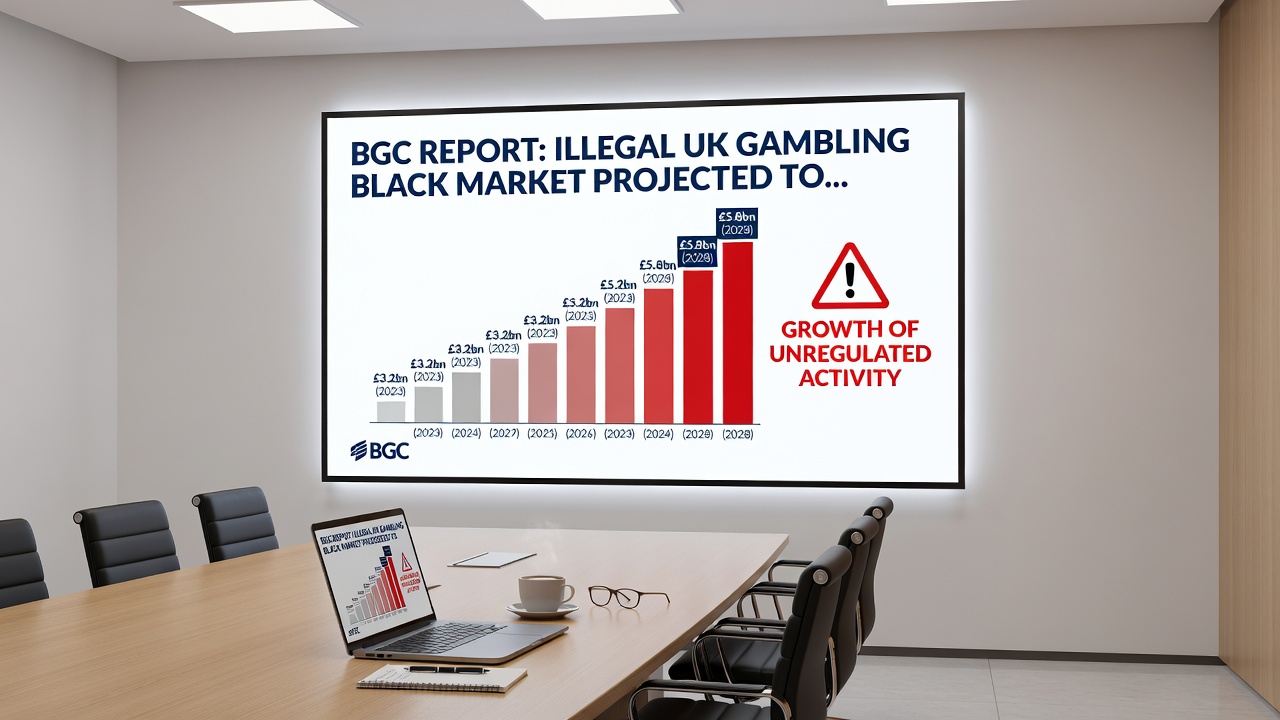
But here's the thing: that £2 billion drop in turnover isn't abstract; data from industry reports ties it to rising costs, fewer high-street bookies, and online shifts, yet affordability checks could accelerate the bleed, especially since pilots showed wide variability in how agencies assess "affordability," sometimes flagging low-risk punters while missing bigger issues elsewhere.
The BHA's Evolving Strategy in April 2026
As of April 2026, BHA leaders have gone public with their openness to "more direct actions," a phrase that's got tongues wagging in racing circles; this comes amid growing frustration with government plans that, while aimed at curbing problem gambling, risk collateral damage to a sport that's already navigating post-pandemic recovery and levy reforms.
Those who've studied these dynamics point out how the one-day strike last year didn't just halt races—it amplified media coverage, swayed MPs, and ultimately derailed the tax rise; now, with affordability checks on the horizon, the BHA is signaling similar resolve, potentially coordinating with betting operators who stand to lose licensed custom to black market rivals offering faster, unchecked access.
It's noteworthy that this push aligns with broader industry lobbying; figures reveal racing contributes billions to the economy through jobs, tourism, and taxes, so any measure slashing turnover by even a fraction—like the projected black market drift—could trigger job losses at tracks from Epsom to Cheltenham, where punter spend directly funds prize money and upkeep.
Black Market Risks and Pilot Scheme Shortcomings
Experts highlight the black market danger bluntly: 44,000 punters migrating there means lost levy income for racing, weaker consumer protections, and enforcement headaches for regulators already stretched thin; unlicensed operators thrive in these gaps, luring customers with lax ID checks and aggressive bonuses, while the licensed sector foots the bill for compliance.
Pilot schemes add fuel to the fire; run by credit agencies, they produced "inconsistent results," according to recent coverage, with some punters cleared quickly, others bogged down in paperwork that feels disproportionate to the risk; one case saw a moderate bettor required to disclose bank statements spanning years, only for the process to drag without clear resolution.
So why the escalation talk now? Turnover's £2 billion slide since 2021 underscores vulnerability—down from peaks when crowds packed stands and online bets flowed freely—yet checks could compound that, especially as economic squeezes make every pound count for the sport's survival.
Stakeholder Unity and the Path Forward
Racing folk often band together in crises, and this feels like one; bookmakers, trainers' groups, and even some punter advocates echo the BHA's concerns, arguing checks should target high-risk behavior surgically rather than blanket regular bettors who fund the ecosystem.
Yet the Gambling Commission's decision looms large next month, a make-or-break moment that could greenlight checks or force revisions based on industry outcry; past strikes showed disruption works, halting meetings that draw thousands and generate millions, so direct actions might follow suit, perhaps blocking key events or staging high-profile demos.
People who've watched these battles unfold know the playbook: mobilize media, lobby Parliament, and leverage racing's cultural clout—think Royal Ascot's glamour masking the gritty finances underneath; with turnover trends signaling distress, the BHA's readiness to act feels less like bluff and more like necessity.
Conclusion: Eyes on the Commission as Racing Braces for Impact
The BHA's pivot toward bolder protests captures a pivotal juncture for UK horse racing, where affordability checks threaten to deepen a £2 billion turnover wound while steering punters black-market bound; building on triumphs like the tax axe and strike shutdowns, industry leaders position for influence ahead of the Gambling Commission's May 2026 verdict, a call that could reshape betting's role in the sport for years.
Observers keep watch, knowing unified action has rewritten scripts before, and with pilots faltering and stakes soaring, the next moves promise to echo far beyond the paddock; that's the reality as April 2026 unfolds, with racing's future hanging in a delicate balance of regulation and resolve.