Black Market Betting Sites Thrive in UK Shadows: Flutter Report Exposes Enforcement Gaps and Fake Sign-Ups Ahead of Cheltenham
Black Market Betting Sites Thrive in UK Shadows: Flutter Report Exposes Enforcement Gaps and Fake Sign-Ups Ahead of Cheltenham

The Surge in Unregulated Gambling Sparks Alarm
Reports from Flutter UK & Ireland paint a stark picture of the UK's struggle against black market gambling, where offshore sites slip through cracks and exploit regulatory blind spots with alarming ease; tests conducted just before the Cheltenham Festival in March 2026 revealed operators accepting blatantly fake registrations, including names of prominent racing figures and addresses like Buckingham Palace, underscoring how basic safeguards crumble under pressure. Data indicates these illegal platforms now claim about 9% of the overall UK gambling market, a sharp rise from previous years, driven by aggressive promotion on social media and seamless integration with everyday payment methods like debit cards and e-wallets.
What's interesting here lies in the timing; with the Cheltenham Festival drawing massive punter interest each spring, these findings hit especially hard, as black market operators gear up to siphon bets away from licensed venues during peak events. Observers who've tracked the sector for years note that such accessibility doesn't just erode trust, but it also drains vital revenue streams that fund sports, charities, and regulatory bodies themselves.
Flutter's Investigative Tests Uncover Shocking Vulnerabilities
Ahead of the March 2026 Cheltenham Festival, Flutter UK & Ireland ran controlled tests on offshore gambling sites targeting UK players, submitting registrations with absurd details—think aliases borrowed from famous jockeys or trainers, paired with fictional addresses such as "10 Downing Street" or the aforementioned Buckingham Palace—and remarkably, these platforms approved accounts almost instantly, bypassing age verification, location checks, and other mandated protections without a hitch. The reality is these operators, often based in jurisdictions with lax oversight, deploy sleek interfaces mimicking legitimate bookmakers, complete with live odds on UK races and football matches, making them indistinguishable to casual users scrolling social feeds.
But here's the thing: such loopholes persist because enforcement lags behind technological savvy; while UK regulators push for stricter measures, black market sites adapt swiftly, using VPN-masked servers and crypto options to dodge blocks, and in one test case detailed in the report, a fake profile funded via a standard UK bank transfer placed bets on Cheltenham favorites within minutes. Experts monitoring cross-border gambling flows have observed similar patterns elsewhere, as evidenced by reports from the International Betting Integrity Association, which tracks global match-fixing tied to unregulated platforms.
And yet, the tests went further; researchers submitted profiles claiming underage users or those from sanctioned regions, only to see approvals roll in, highlighting not just evasion tactics but a blatant disregard for player protection protocols that licensed operators must follow religiously.
Market Share Climbs to 9%, Fueled by Digital Channels
Figures from the Flutter report reveal illegal operators carving out roughly 9% of the UK gambling market by early 2026, up significantly from levels reported in prior assessments, a growth spurt propelled by savvy marketing on platforms like Instagram, TikTok, and Telegram channels where influencers tout "no-limits bonuses" and "guaranteed payouts" to evade ad restrictions. Common payment gateways exacerbate the issue; punters unknowingly fund black market bets through apps like Apple Pay or Revolut, which integrate seamlessly yet shield operators from traceability.
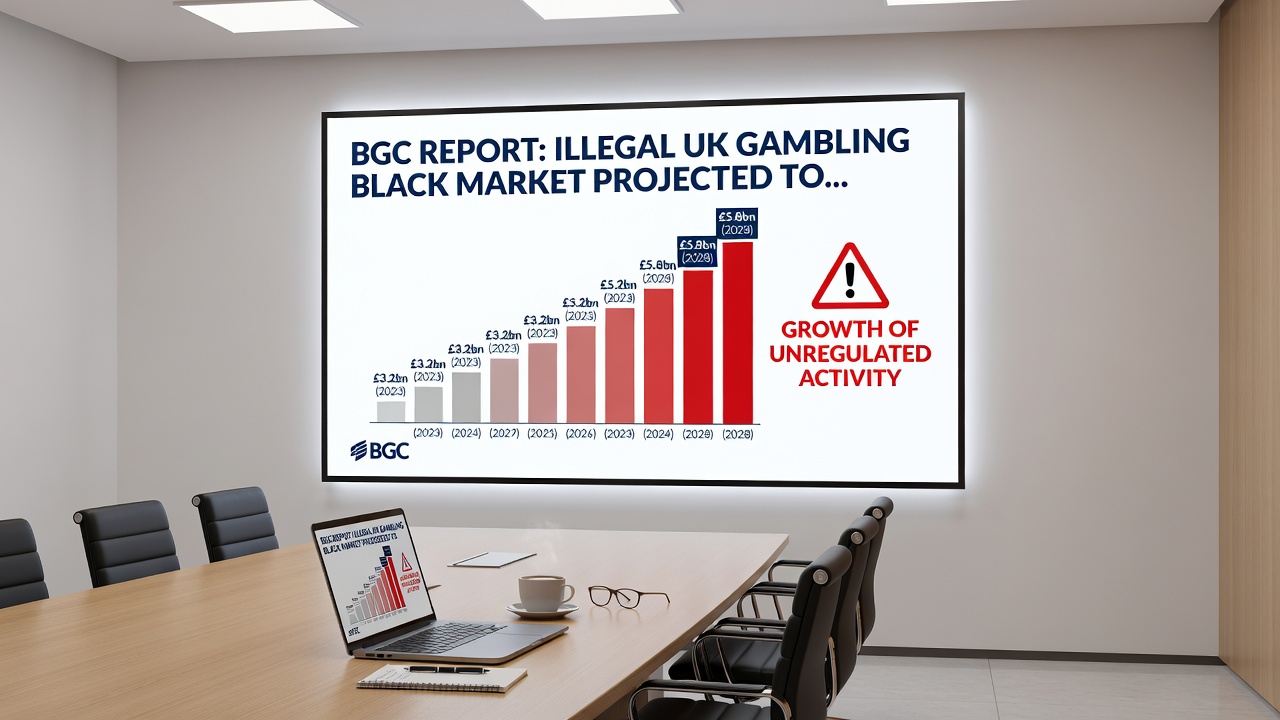
Turns out this expansion threatens licensed revenue directly; with major events like Cheltenham pulling in billions, even a 9% shift equates to hundreds of millions diverted annually, funds that would otherwise bolster trackside prize money, horse welfare programs, and community initiatives tied to racing. People who've analyzed market data point out that social media algorithms amplify the reach, pushing targeted ads to vulnerable demographics during live streams of races or Premier League games, where impulse bets spike.
So, as April 2026 unfolds post-Cheltenham, the report's warnings resonate louder; industry stakeholders report sustained activity from these sites, with no immediate dip despite festival hype, signaling a entrenched problem rather than a seasonal blip.
Regulatory Loopholes and Enforcement Challenges Exposed
The Flutter analysis doesn't mince words on enforcement shortfalls; UK authorities block thousands of illicit domains yearly, yet new mirrors pop up overnight, often rebranded with fresh URLs promoted via encrypted apps, creating a game of whack-a-mole that strains resources. Data shows black market sites exploit gaps in cross-jurisdictional cooperation, hosting servers in places like Curacao or the Philippines where extradition proves tricky, while luring UK users with odds sharpened to undercut regulated competitors.
One case highlighted involves a site mimicking a major bookmaker's branding—down to similar fonts and horse racing graphics—yet operating sans license, accepting stakes on Cheltenham Gold Cup contenders without responsible gambling tools like deposit limits or self-exclusion links. Researchers who've studied offshore proliferation note parallels in other markets; for instance, studies from the European Gaming and Betting Association detail how similar evasion tactics erode Europe's regulated spend by up to 10% in high-volume countries.
What's significant is the ripple effect on players; without oversight, these platforms skip fraud detection and addiction safeguards, leaving users exposed to rigged odds or sudden account closures post-big wins, issues licensed sites mitigate through audited RNGs and dispute resolution. Observers tracking the landscape emphasize that social media's role amplifies risks, with viral posts promising "tax-free wins" drawing in novices who stumble into unregulated territory unaware.
Broader Impacts on Sports, Revenue, and Player Safety
Beyond market share erosion, the report flags threats to sports integrity; black market bets fuel suspicious wagering patterns, as seen in past Cheltenham scandals where offshore volumes spiked on longshots, prompting integrity probes. Revenue losses hit hard too—licensed operators contribute via point-of-consumption taxes funding the British Horseracing Authority's levy, which supports over 60,000 jobs and equine care; a 9% bleed translates to noticeable shortfalls, especially as cost-of-living pressures push more punters toward "cheaper" illegal options.
Take one scenario from the tests: a fake Buckingham Palace address not only sailed through verification but unlocked promotional free bets on festival qualifiers, mimicking tactics that hook users with low-stakes entry points before ramping up exposure. Those who've examined payment flows add that e-wallet anonymity lets operators launder funds undetected, complicating crackdowns further.
Now, in April 2026, with spring racing in full swing at Aintree and Punchestown, the report urges swifter action; blocking payments at source, per models trialed in Australia via the Australian Communications and Media Authority, emerges as a potential blueprint, though implementation demands international buy-in.
Conclusion: A Call for Swift Adaptation in a Shifting Landscape
The Flutter UK & Ireland report lays bare uncomfortable truths about black market gambling's foothold in the UK, from fake sign-ups greenlit before Cheltenham 2026 to a 9% market slice sustained by digital sleight-of-hand; while enforcement ramps up, the agility of offshore operators keeps pace, underscoring the need for tech-driven defenses like AI-monitored payments and global alliances. Data underscores the stakes—revenue at risk, players unprotected, sports integrity tested—yet patterns suggest collaboration across borders holds the key, much like successful models observers track worldwide.
In the end, as punters navigate April 2026's betting buzz, the writing's on the wall: unregulated sites won't vanish overnight, but targeted reforms could reclaim lost ground, ensuring a fairer field for all involved.