UK Gambling Commission Postpones Next Phase of Affordability Checks Decision

The UK Gambling Commission has delayed its board decision on advancing the next stage of proposed financial risk assessments, known as affordability checks, according to statements released in late May 2026, and this move comes after mounting pressure from multiple industry stakeholders who submitted additional evidence for review.
These checks would use financial and behavioral data to flag customers potentially at risk of gambling-related harm, yet the Commission indicated it requires further time to analyze the material before proceeding, while the delay keeps existing pilot programs in place without immediate expansion.
Background on the Proposed Checks
Financial risk assessments aim to integrate customer transaction histories with external data sources to identify patterns that might signal harm, and the Commission has conducted initial pilots that gathered operator feedback along with anonymized player information to refine the approach, whereas the next phase would have introduced mandatory thresholds for certain account reviews.
Observers note that the framework builds on earlier consultations where thresholds for income verification were discussed, and data from those stages showed varying levels of customer interaction drop-off depending on how friction was introduced into the verification process.
Industry and Political Response Driving the Delay
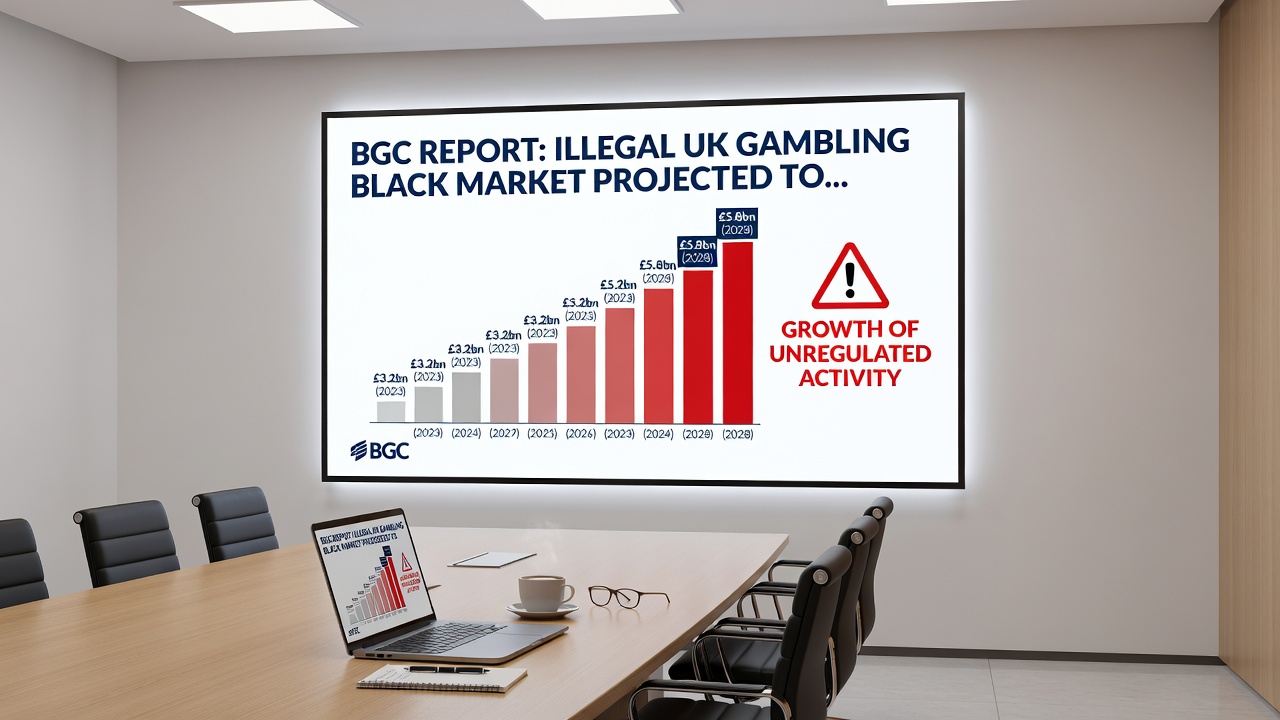
Bookmakers, racing organizations, and several lawmakers raised concerns about implementation details, including potential increases in customer friction and the risk of activity shifting to unregulated markets, so the Commission chose to extend its evidence-gathering period rather than finalize the timeline at the scheduled board meeting.
The Betting and Gaming Council welcomed the postponement in a public statement and called for continued collaboration to ensure any future checks remain as seamless as possible for legitimate customers, yet the group also highlighted data from its members showing that overly rigid processes could accelerate migration toward offshore platforms.
Those who've followed the consultation process point out that opposition letters submitted in the weeks leading up to the decision referenced pilot outcomes where some operators recorded measurable declines in active accounts after introducing similar verification steps, and lawmakers echoed these points during parliamentary debates on consumer protection measures.
Commission's Official Position
According to the UK Gambling Commission, the board needs additional weeks to complete its review of the latest submissions, and this approach allows regulators to weigh operational impacts alongside the original harm-reduction objectives before any binding requirements are set.
Commission documents reference ongoing analysis of behavioral indicators that combine deposit patterns with external credit data, while the current pause leaves room for further technical discussions with operators on data-sharing protocols that minimize processing delays for users.
People familiar with the pilot programs report that early results indicated certain demographic groups triggered more frequent flags, prompting the regulator to examine whether adjustments to income banding or verification frequency could improve accuracy without broad application across all accounts.
Potential Market Implications
Industry analysts tracking the consultation timeline note that the extension pushes any implementation decisions into later months of 2026, and this shift gives operators additional runway to prepare systems that integrate real-time risk scoring with existing responsible gambling tools.
Racing bodies have separately submitted evidence showing how checks might affect on-course betting volumes, whereas bookmakers emphasize the need for standardized data formats that avoid duplicative requests to the same customers across multiple platforms.
Evidence gathered so far suggests that frictionless verification methods, such as bank-linked open banking where available, produced lower abandonment rates during testing compared with manual document uploads, and the Commission has signaled interest in exploring these alternatives further during the extended review period.
Next Steps and Ongoing Review
The regulator plans to publish updated timelines once the board completes its evaluation, and stakeholders expect additional opportunities for comment on any revised proposals that emerge from the current evidence round, while the existing pilot schemes continue to operate under their original parameters.
Those monitoring the process observe that the delay reflects the Commission's standard practice of incorporating late-stage submissions rather than an abrupt policy reversal, and the focus remains on balancing consumer safeguards with operational realities reported by licensed operators.
Conclusion
The postponement announced in May 2026 extends the period during which the UK Gambling Commission will assess feedback on financial risk assessments, and the decision keeps the regulatory process open for refinement based on data from pilots and industry submissions, while operators and advocacy groups continue to monitor developments for any adjustments to verification thresholds or implementation dates.