Cross-Market Data Sync: How Aggregators Link Scanner Alerts to Calculator Outputs for Multi-Sport Profit Paths
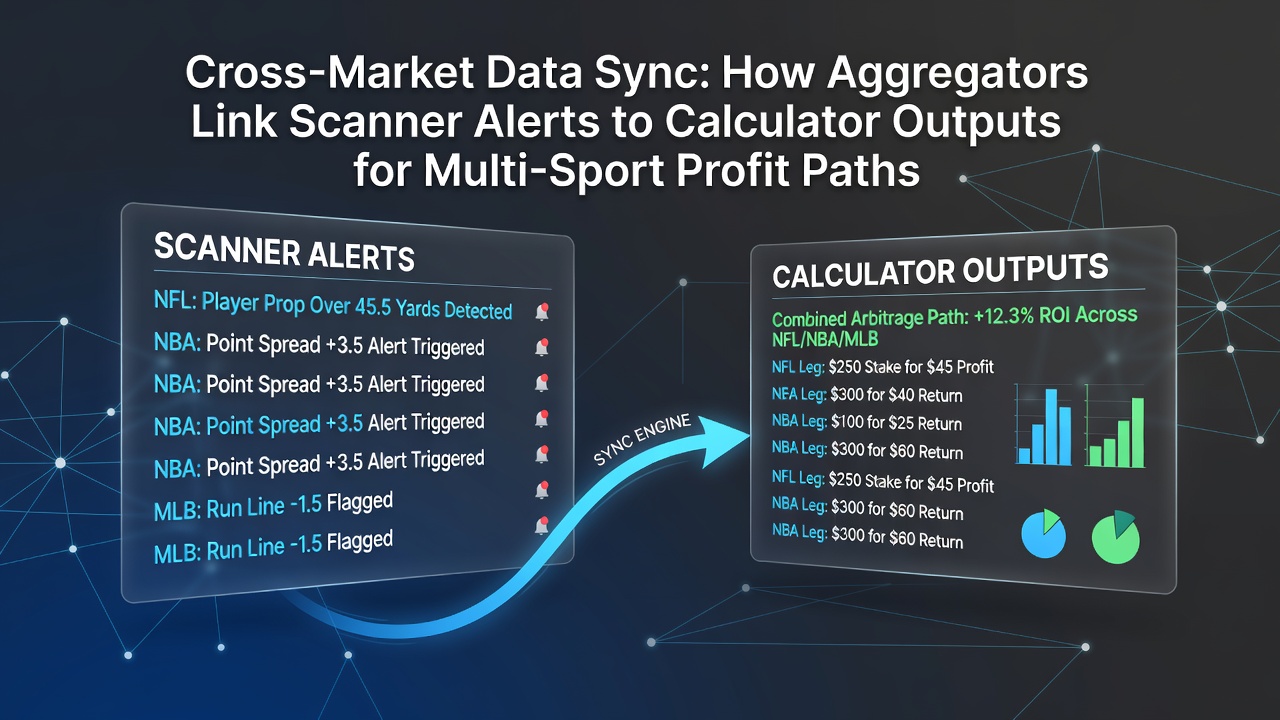
Data synchronization across betting platforms has grown more sophisticated as operators expand their offerings into tennis, basketball, hockey, and other disciplines, and aggregators now serve as central hubs that connect scanner alerts directly to calculator engines.
Scanner Systems Generate Initial Alerts
Prematch scanners monitor odds feeds from numerous bookmakers and flag discrepancies where implied probabilities suggest potential edges, while live scanners track in-play movements that emerge during matches; these alerts arrive in real time and carry details on stake recommendations, payout percentages, and the specific events involved.
Researchers at institutions such as the University of Nevada, Las Vegas have documented how high-volume data streams require rapid processing to remain useful, and studies show that delays of even a few seconds can erase narrow margins in fast-moving markets.
Aggregators Act as Coordination Layers
Aggregators collect scanner outputs from multiple sources, normalize the data formats, and route relevant alerts into unified dashboards that operators and analysts use; this step eliminates duplicate entries and aligns timestamps so that subsequent calculations draw from consistent information sets.
One aggregator platform might receive a tennis scanner alert on a Grand Slam match and a basketball scanner alert on an NBA regular-season game, then merge both into a single workflow where calculator tools assess combined staking strategies across the two events.
Calculator Outputs Refine Profit Paths
Once alerts reach the calculator stage, algorithms compute stake distributions that aim for locked returns regardless of individual outcomes, and these engines factor in variables such as commission rates, currency conversions, and maximum bet limits imposed by different platforms.
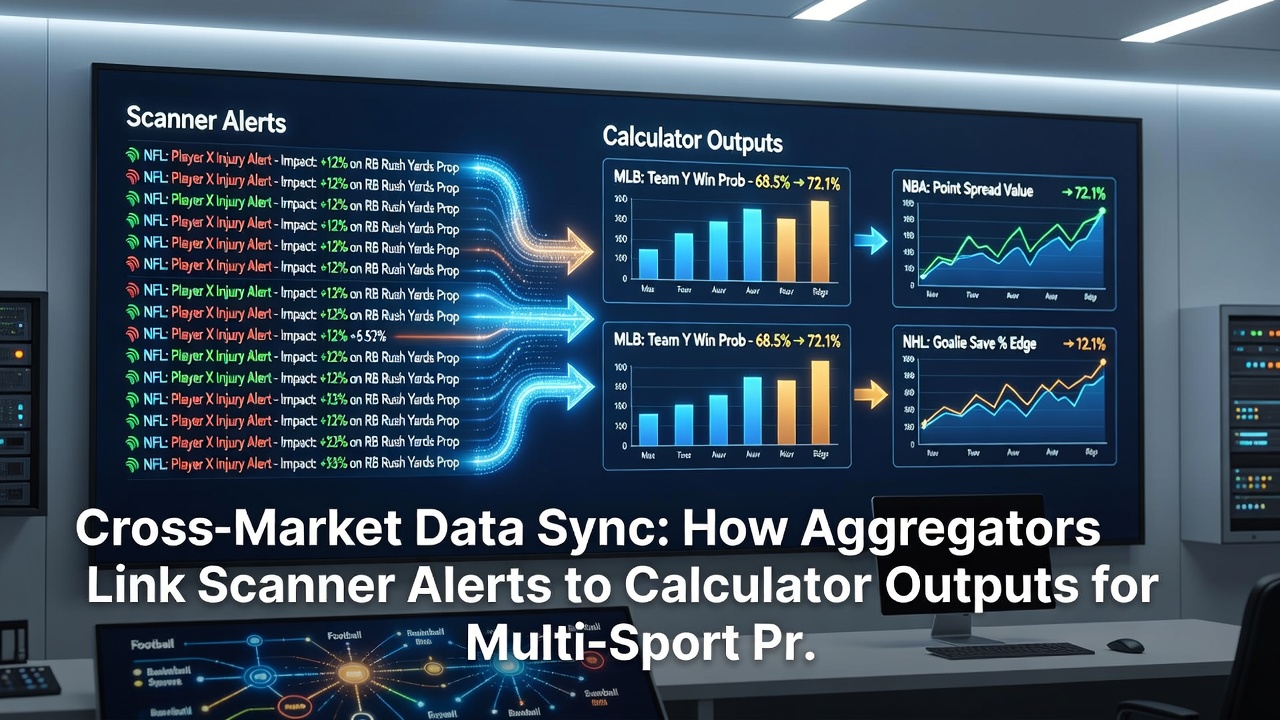
Calculators also generate scenario trees that illustrate how a shift in one market affects the overall path, allowing users to adjust positions before finalizing wagers; the outputs include step-by-step placement instructions and projected net figures after all legs close.
Cross-Market Integration Expands Opportunities
Multi-sport paths become feasible when aggregators maintain connections to both pre-match and live data streams, because an opportunity identified in one sport can be hedged against movements detected in another; for instance, a value signal in soccer might pair with an arbitrage window in volleyball when the aggregator aligns the timing and stake sizes automatically.
Industry reports from the Canadian Gaming Association indicate that platforms handling cross-market sync recorded higher transaction volumes in the first half of 2026, and July 2026 updates to provincial licensing frameworks emphasized the importance of transparent data-handling protocols for such systems.
Technical Requirements Support Reliable Sync
Effective linking depends on standardized APIs, low-latency networks, and redundant servers that prevent single-point failures during peak betting periods; without these components, alerts can arrive out of sequence and calculators may produce inaccurate projections.
Observers note that firms investing in cloud-based middleware have achieved sub-second transfer times between scanner detection and calculator output, which supports strategies spanning several continents and time zones.
Regulatory Context Shapes Tool Development
Authorities in regions outside the United Kingdom continue to refine rules around automated betting tools, and licensing bodies in Australia and parts of Europe require operators to maintain audit trails that document how scanner data flows into final calculator decisions.
These requirements encourage aggregators to embed logging functions that record each handoff, creating verifiable records that satisfy compliance checks while still delivering the speed users demand.
Conclusion
Aggregators that successfully bridge scanner alerts and calculator outputs enable structured approaches to multi-sport profit paths by maintaining data integrity across diverse markets and regulatory environments. Continued advances in synchronization technology will likely determine how widely these integrated systems expand in the coming years.