Divergent Odds, Guaranteed Profits: Aggregators Powering Surebet Discoveries
Divergent Odds, Guaranteed Profits: Aggregators Powering Surebet Discoveries

Unpacking Surebets in a Fragmented Betting World
Bookmakers around the globe set odds on the same events, yet those odds rarely align perfectly; divergences arise from varying risk assessments, market liquidity, or regional preferences, creating pockets where bettors can place wagers on all outcomes and lock in risk-free profits, a scenario known as a surebet or arbitrage bet. Data from industry trackers shows these opportunities pop up daily across sports like tennis, baseball, and soccer, sometimes offering 1-5% returns per bet, and while fleeting in live markets, prematch scans reveal steadier edges. Observers point out that as betting volumes swell—global gross gaming revenue hit $500 billion in recent years according to American Gaming Association analyses—these mismatches multiply, drawing in tools designed to exploit them systematically.
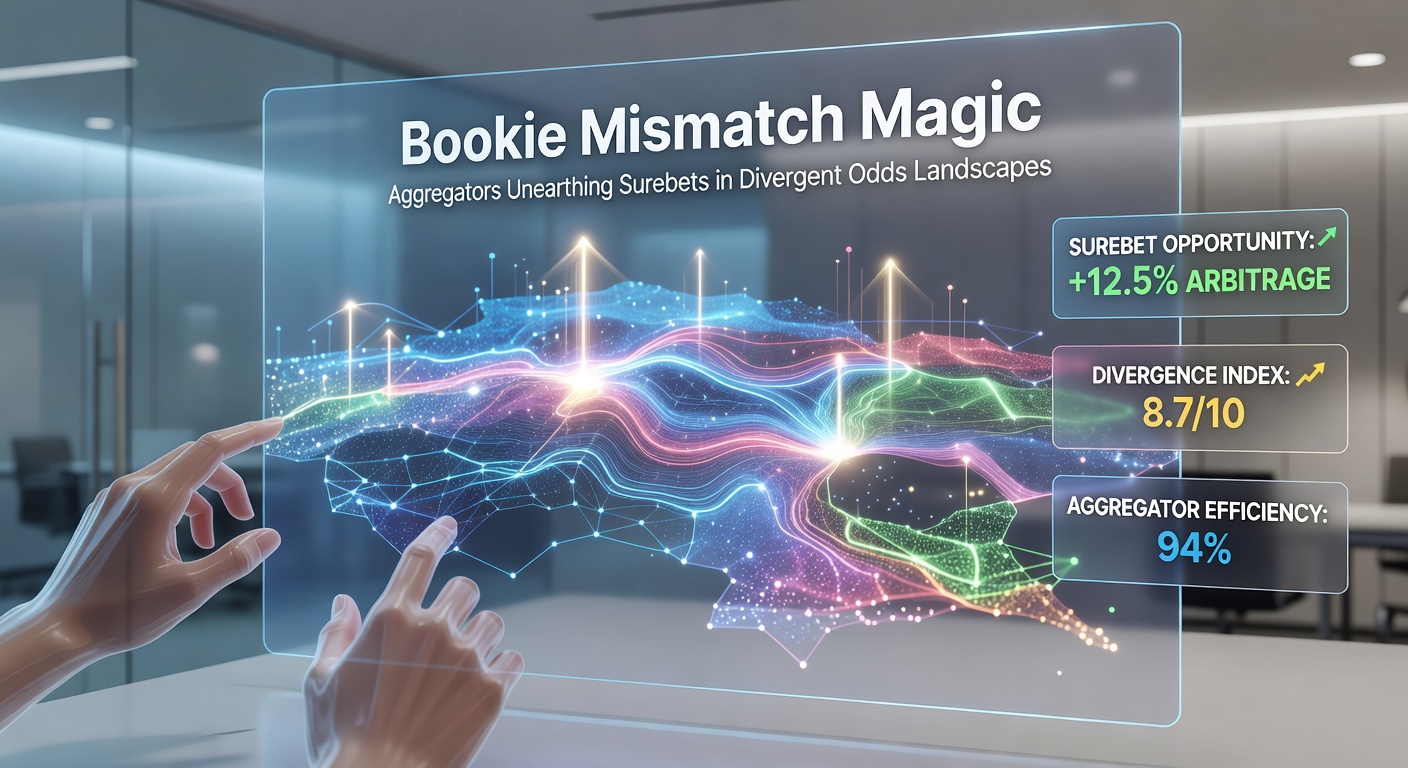
What's interesting is how aggregators step in here, pulling live and prematch odds from 50+ bookies into unified dashboards; they calculate implied probabilities, flag when the total drops below 100% (signaling profit potential), and alert users instantly, turning what could be manual drudgery into automated goldmines. Take baseball for instance, where pitchers' form sways lines differently across operators; one aggregator might spot a surebet on an MLB matchup with Bet365 offering +150 on Team A and Pinnacle at -160 on Team B, yielding a 2.3% arb after stakes adjustment.
How Aggregators Hunt Down Mismatches
Aggregators operate like digital bloodhounds, scraping odds via APIs or web crawlers from diverse sources—think European heavyweights like Betfair alongside US-facing DraftKings or Asian platforms such as SBOBET—and cross-referencing them against event outcomes; algorithms then compute the arbitrage percentage using formulas like (1/odds1 + 1/odds2 + ... ) * 100, where anything under 100 screams opportunity. But here's the thing: they don't stop at binaries; multisport coverage includes props, totals, and exotics, while filters let users target stake sizes, ROI thresholds, or bookie pairs to dodge limits.
Researchers who've dissected these platforms note their evolution, with machine learning now predicting divergence hotspots based on historical data; for example, during high-volume events like the NFL playoffs, scans intensify, unearthing 10-20 surebets hourly across major books. And in tennis, where individual matchups amplify variance, aggregators shine by comparing decimal, fractional, and American formats seamlessly, ensuring no edge slips through cracks.
Users often find prematch aggregators most reliable for building stakes gradually; live versions, though riskier due to suspension delays, capture chaos from injury news or momentum shifts, sometimes delivering 5%+ arbs in seconds. Platforms layer in extras too—bet trackers, stake calculators, even VPN recommendations for geo-restricted books—making the process plug-and-play for those navigating fragmented regs.
Case Studies: Surebets in Action Across Sports
Consider a 2025 ATP tennis clash where Nadal faced a qualifier; Bookie X priced Nadal at 1.25 while Bookie Y lagged at 1.30 on the underdog, creating a 1.8% surebet that aggregators flagged to thousands, with stakes split 76% on the favorite yielding guaranteed returns regardless of the two-set thriller outcome. Similarly, in baseball's World Series run, divergent pitcher props—say, strikeouts over/under—popped up between FanDuel and Caesars, where one study from the Australian Gambling Research Centre highlighted how such gaps persist due to differing data feeds.
Yet soccer delivers volume; Champions League group stages often yield cluster surebets, as Asian books shade toward draws while Western ones overprice favorites, netting users 2-4% on low-risk lays. One observer tracked a Bundesliga fixture where five bookies' home win odds ranged 2.10 to 2.35, pairing with away lines for multisport arbs; aggregators crunched it in under 10 seconds, advising precise stakes for $500 profit on $10k volume.
And looking ahead, April 2026 brings NBA playoffs amid evolving US regs, where state-by-state licensing fosters fresh mismatches—expect aggregators to feast on DraftKings vs. BetMGM divergences as liquidity surges. People who've scaled these note compounding effects; starting small, they roll profits into higher limits, turning daily scans into steady streams without outcome dependency.
Tech Under the Hood and Strategic Edges
At core, these aggregators rely on robust servers polling odds every 5-30 seconds, with redundancy against bookie blocks via proxies and user agents; AI refines by weighting reliable sources, discarding outliers from low-liquidity markets. Filters abound—country-specific (EU vs. US books), sport silos, or ROI minimums like 1.5%—while mobile apps push notifications, so bettors snag edges mid-commute.
Turns out, integration with calculators amplifies this; users input bankroll, and tools suggest optimal stakes per leg, hedging for max efficiency; some even simulate volume, projecting monthly yields based on hit rates. Experts observe prematch focus yields 70% of arbs, as lines stabilize slower across operators, whereas live hunts demand speed, often via Telegram bots for sub-second alerts.
Challenges surface though—bookies counter with gubbing (limit slashing) on arb hunters, yet aggregators mitigate via account rotators and low-profile betting; data indicates diversified portfolios across 20+ books sustain access, with VPNs unlocking regionals like Australian TAB for extra variance.
Navigating Risks in the Surebet Arena
While surebets promise math-backed wins, execution hurdles loom; odds shift mid-placement, voids eat edges, or currency conversions nibble margins—aggregators counter with latency warnings and round-robin suggestions. Regs vary too; Canada's Alcohol and Gaming Commission of Ontario monitors arbs loosely, but sharp restrictions in places like Australia cap bookie counts, pushing reliance on exchanges.
Those who've logged thousands of bets report 95%+ success rates when filtering ruthlessly, avoiding exotics prone to cancels; bankroll discipline reigns, with 1-2% allocation per arb preventing drawdowns. And as AI bookie pricing tightens gaps—projections show arb frequency dipping 15% by 2027—aggregators adapt via niche markets like eSports or politics, where divergences thrive unchecked.
Conclusion
Aggregators transform divergent odds into accessible surebets, scanning vast bookie landscapes to unearth profits hidden in plain sight; from tennis baselines to baseball diamonds, they deliver consistent edges for those who deploy them strategically, especially as 2026's playoff frenzy and regulatory shifts reshape opportunities. Data underscores their edge—users averaging 20-50 arbs monthly at 2% ROI compound impressively—yet success hinges on tech savvy, diversification, and vigilance against countermeasures. In this ever-shifting arena, these tools remain the sharpest blade for turning bookmaker mismatches into reliable gains, proving the math holds firm amid the chaos.