Gambling Reform Groups Fire Warning Shots Over £1.25bn Betting Ad Onslaught in Latest UK Report
Gambling Reform Groups Fire Warning Shots Over £1.25bn Betting Ad Onslaught in Latest UK Report

The Report Drops on a Pivotal Day
Lobbyists from the All-Party Parliamentary Group on Gambling Reform (GRAPPG) and Peers for Gambling Reform (PGR) released a sharply critical report on April 23, 2026, zeroing in on the UK's ballooning betting advertising spend, which clocks in at £1.25 billion to £2 billion annually; researchers behind the document spotlight how licensed operators routinely sidestep voluntary codes, flooding social media with promotions that reach children despite industry promises to the contrary.
And while black market threats loom large in the background, the report pushes hard for beefed-up regulations on mainstream firms, arguing that the UK trails far behind international benchmarks on curbing ad excesses; this comes as a Westminster debate kicks off at 1:30pm that very afternoon, setting the stage for lawmakers to hash out the issues in real time.
Those who've tracked gambling policy shifts note how such reports often light a fire under stalled reforms, especially when they pack fresh data and high-profile backers like Sir Iain Duncan Smith MP, Alex Ballinger MP, and Lord Foster of Bath, all of whom lent their names and voices to this effort.
Unpacking the Ad Spending Juggernaut
Data in the report reveals that betting firms pour between £1.25bn and £2bn into advertising each year, a figure that dwarfs spends in other sectors and fuels concerns over normalization; operators lean heavily on digital channels, where social media algorithms serve up targeted ads to underage audiences, even as self-imposed codes aim to shield kids from the blitz.
Breaches abound, according to the findings: platforms host influencer-led promotions that skirt age gates, while fleeting video clips and sponsored posts evade scrutiny; experts observing these patterns point out that voluntary agreements, once hailed as sufficient, now crumble under the weight of aggressive marketing tactics designed to hook new punters fast.
But here's the thing: the report doesn't stop at UK borders; it stacks the nation's lax approach against tougher regimes abroad, where countries like Australia and parts of Europe mandate strict ad blackouts during live sports or cap overall budgets to protect vulnerable groups.
Key Players Driving the Charge
Sir Iain Duncan Smith MP, a longtime advocate for player protections, co-championed the report alongside Alex Ballinger MP, whose focus on digital harms has shaped recent Commons discussions; Lord Foster of Bath, drawing from his Lords perch, brings cross-bench weight to the push, emphasizing how ad overloads exacerbate problem gambling rates that hover around 0.5% of adults yet inflict outsized societal costs.
GRAPPG, as an all-party outfit, pulls in MPs and peers from across the aisle, while PGR mobilizes unelected Lords to amplify calls for change; together, these groups have notched wins before, like nudging affordability checks into law, and now they train their sights on advertising as the next frontier.
One observer familiar with the scene recalls how similar coalitions in 2023 forced reviews of stake limits, suggesting this report could spark comparable momentum amid a post-election landscape hungry for quick regulatory tweaks.
Black Market Shadows and Global Gaps Exposed
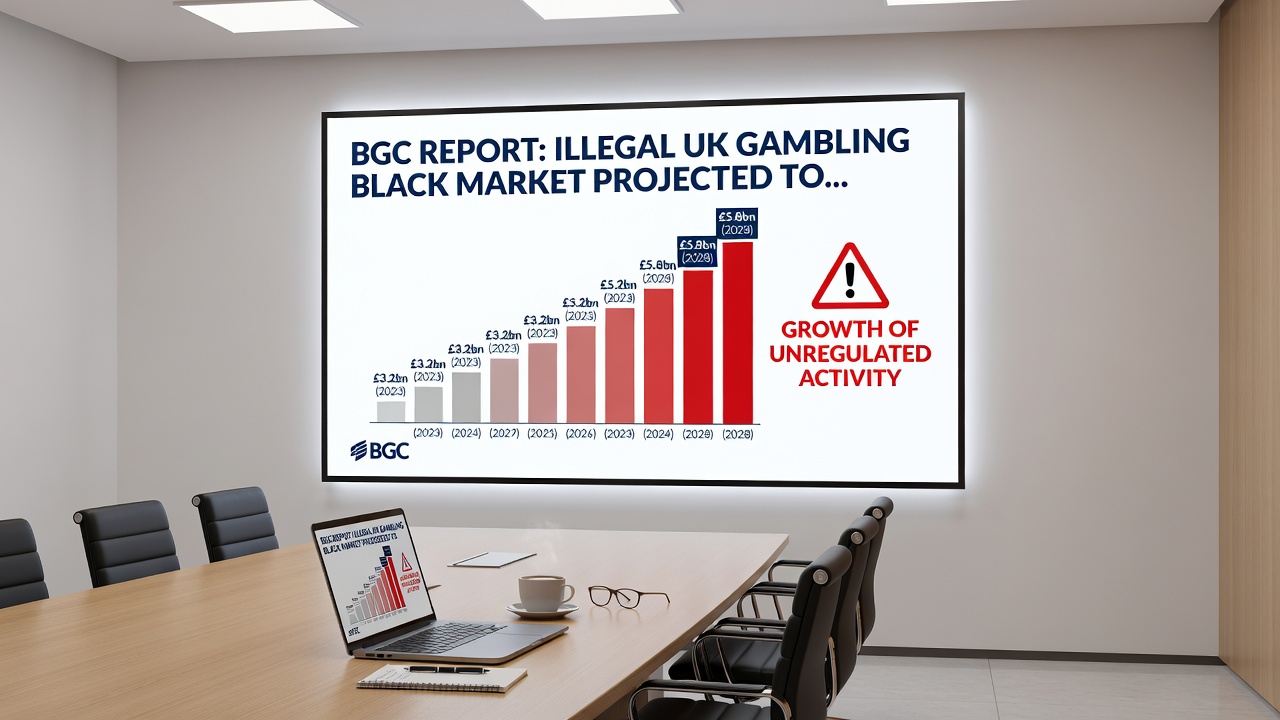
Although the report acknowledges black market betting's rise—fueled partly by tighter rules on licensed sites—it contends that cracking down on ad excesses among legal operators won't drive punters underground; instead, data suggests regulated firms hold 90% market share, leaving plenty of room to enforce standards without ceding ground to unregulated rivals.
Turns out, international comparisons paint the UK as an outlier: nations like Italy ban gambling ads outright, while Spain limits broadcasts to late-night slots; researchers crunching the numbers find Britain's £1.25bn-£2bn ad pot enables 24/7 exposure via apps and streams, a stark contrast to peers who've reined it in through statutory caps.
What's interesting here lies in the social media angle: algorithms prioritize engagement, serving betting lures to teens scrolling feeds, with studies logging thousands of such exposures weekly; the report urges mandatory verification tech and ad-free zones for under-18s, measures already standard in Australia where youth gambling rates dipped post-reform.
- Annual UK betting ad spend: £1.25bn-£2bn
- Primary breach vector: Social media promotions
- Global lag: No ad bans or broadcast limits like Italy/Spain
- Debate timing: 1:30pm, April 23, 2026, in Westminster Hall
Westminster Debate Sets the Tone
Scheduled for 1:30pm on release day, the debate in Westminster Hall draws MPs keen to probe the report's claims firsthand; participants expect Sir Iain Duncan Smith to lead off, flanked by allies pressing ministers on timelines for mandatory codes over voluntary ones that, as evidence shows, fail to deliver.
Government responses remain TBD, yet past patterns indicate Labour's manifesto nod to gambling curbs could align with reform calls; those tuning in via Parliamentlive.tv will catch reactions unfolding live, potentially teeing up amendments to the ongoing Gambling Act review.
And with affordability checks already rolling out amid industry pushback, this ad-focused scrutiny adds another layer, reminding stakeholders that the ball's in regulators' court to balance growth against harms before problems snowball further.
Broader Implications for Operators and Punters
Licensed betting shops and online platforms face mounting pressure as the report circulates widely, prompting trade bodies like the Betting and Gaming Council to prep defenses; yet data underscores the voluntary codes' shortcomings, with compliance audits revealing persistent violations that erode public trust.
People who've navigated these policy waves often discover that incremental changes—like France's partial ad bans—yield measurable drops in youth engagement without tanking revenues; the UK scenario mirrors this, as operators adapt by sharpening non-ad strategies while regulators close loopholes.
Now, as April 2026 unfolds, eyes stay glued to how the Gambling Commission responds, especially since Q1 figures already show gross gambling yield climbing amid ad-fueled participation; the report's timing, smack in debate season, amplifies its shot at steering the conversation toward enforceable limits.
Wrapping Up the Reform Push
This April 23, 2026, report from GRAPPG and PGR crystallizes long-simmering ad concerns, backed by £1.25bn-£2bn spend stats and breach examples that demand action; with Westminster weighing in same-day and international laggards highlighted, the path forward hinges on bridging voluntary gaps with statutory muscle, all while eyeing black market risks.
Experts tracking the beat anticipate ripple effects, from tweaked social media rules to broadcast curbs, shaping a landscape where protections keep pace with industry's £15bn-plus annual take; the debate's outcomes, set to echo through summer sessions, will signal whether the UK catches up or clings to the status quo.