Global Odds Variations Open Esports Arbitrage Paths as Aggregators and Calculators Align Operations
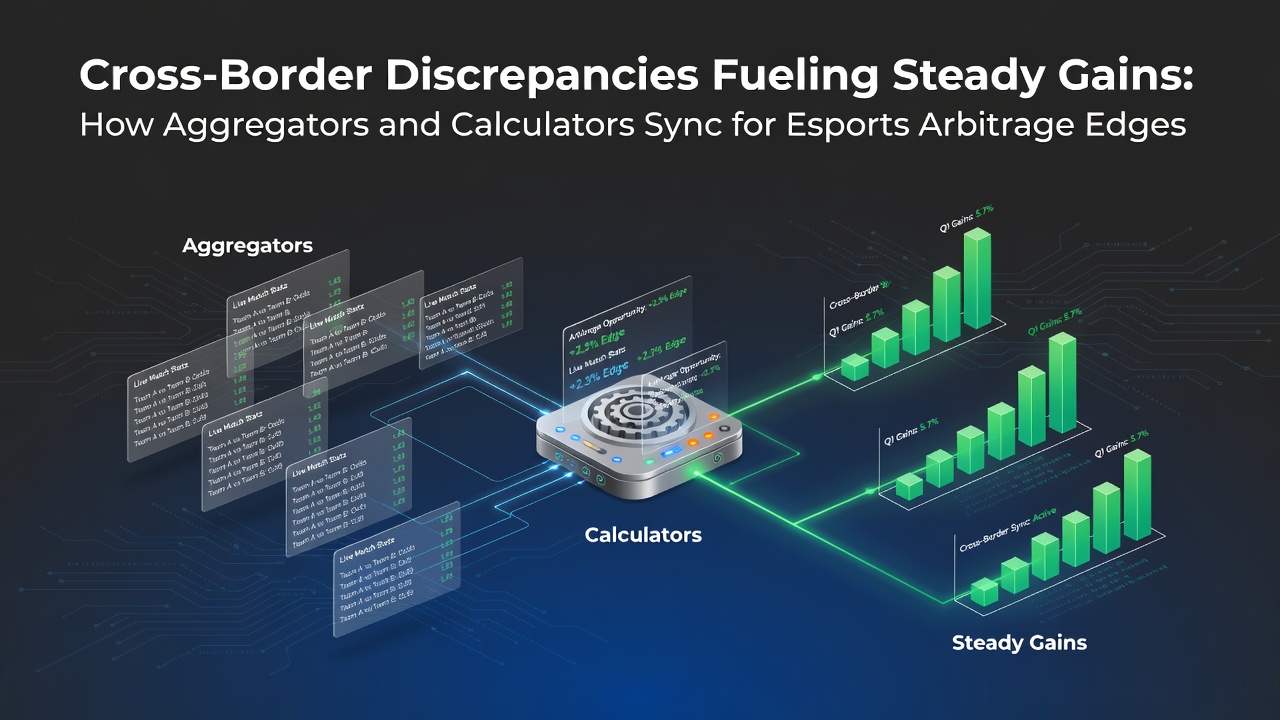
Cross-border discrepancies arise when esports betting markets in one jurisdiction price outcomes differently from those in another, and these gaps create measurable arbitrage conditions that aggregators and calculators identify in coordinated sequences. Aggregators pull live odds from operators licensed across multiple regions, then feed the data into calculators that apply formulas to detect instances where combined stakes on opposing results guarantee returns regardless of the match winner.
Market Structures Behind Regional Pricing Differences
Operators in separate countries apply distinct margins, respond to local liquidity levels, and adjust lines according to regulatory limits on certain esports titles, which produces the raw material for surebets. Data compiled through aggregator networks shows consistent spreads on popular disciplines such as League of Legends and Counter-Strike 2, particularly when European books post lines ahead of North American or Asian counterparts. Those who monitor these feeds note that volume spikes often follow major tournaments, yet the underlying price divergences persist because each market segment operates under separate risk-management rules.
Calculators receive synchronized streams from the aggregators and run simultaneous checks across dozens of books, highlighting combinations that meet predefined profit thresholds within seconds of odds publication. This process relies on timestamp alignment so that users can place the required bets before any single operator adjusts its line.
Technical Synchronization Between Aggregators and Calculators
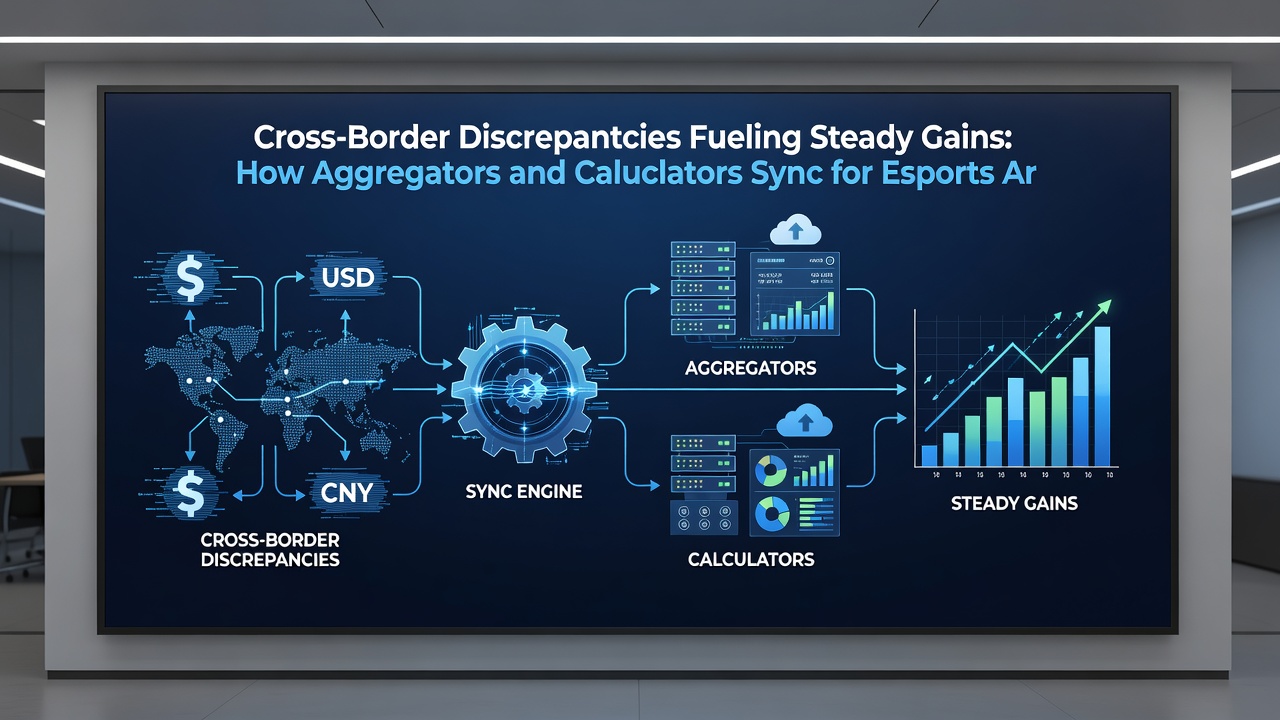
Aggregators maintain APIs that deliver structured data on esports fixtures, while calculators apply real-time algorithms to scan for arbitrage windows. The two systems connect through shared data protocols that update every few seconds, allowing operators to flag opportunities across pre-match and in-play segments. Observers tracking platform performance during July 2026 tournaments reported that synchronized feeds reduced the average time from odds change to alert delivery to under four seconds on high-traffic matches.
Integration layers also incorporate currency conversion modules because cross-border bets frequently involve different account currencies. These modules recalculate implied probabilities after exchange-rate adjustments so the final output reflects net returns in the user's base currency. Users receive alerts that already account for transaction fees and withdrawal limits reported by each operator, which narrows the list of viable combinations.
Case Patterns Observed Across Esports Titles
One documented sequence involved a best-of-three series in Dota 2 where an aggregator captured divergent moneyline prices from three separate operators; the calculator then produced a two-leg combination that locked in a 2.8 percent margin after accounting for commissions. Similar patterns appear regularly in Valorant and Overwatch matches when regional books react at different speeds to roster announcements or patch updates. Aggregators that include lower-tier regional leagues often surface wider spreads because liquidity remains thinner and pricing models differ more sharply across borders.
Industry reports from the International Betting Integrity Association indicate that esports arbitrage volume tracked through licensed channels grew steadily through the first half of 2026, with the largest share occurring on matches involving teams from multiple continents. The same reports note that synchronization between aggregator feeds and calculator engines contributed to higher completion rates for identified opportunities compared with earlier manual monitoring methods.
Regulatory and Operational Factors Affecting Tool Performance
Licensing frameworks in different jurisdictions impose varying requirements on odds display and settlement times, which indirectly widens or narrows the windows available for arbitrage. Aggregators that operate across these frameworks must maintain compliance filters so that displayed opportunities remain executable under each operator's rules. Calculators incorporate these filters by excluding combinations that involve restricted payment methods or settlement delays that exceed typical arbitrage holding periods.
Research published by the Australian Gambling Research Centre examined transaction data from multi-jurisdictional platforms and found that integrated aggregator-calculator systems processed a higher proportion of cross-border esports wagers without triggering manual review flags. The study attributed the difference to automated checks that align odds timestamps and verify stake limits before alerts reach end users.
Future Developments in Tool Integration
Platform developers continue to expand the number of esports titles covered while shortening update intervals between aggregator pulls and calculator outputs. Some services now include historical discrepancy tracking that highlights recurring patterns for specific matchups or tournament stages, allowing users to anticipate rather than solely react to price gaps. These additions rely on the same synchronization architecture already in place, so the core workflow remains consistent even as data volume increases.
Conclusion
Cross-border pricing differences continue to supply the raw inputs that aggregator and calculator combinations convert into executable arbitrage sequences across esports markets. The technical linkage between data collection and calculation engines determines how quickly opportunities reach users and how many of those opportunities remain viable after fees and currency adjustments. Figures released through international industry channels show sustained activity in this segment during 2026, driven by the same structural variations in regional operator pricing that have characterized the space for several years.