Punters' Pulse: Surging Trends and Headlines Reshaping Britain's Betting World
UK Gambling Commission Ushers in 2026 Reforms: Tax Hikes, Stake Caps, and Safeguards Reshape Online Slots and Gaming

The Rollout of Groundbreaking Changes
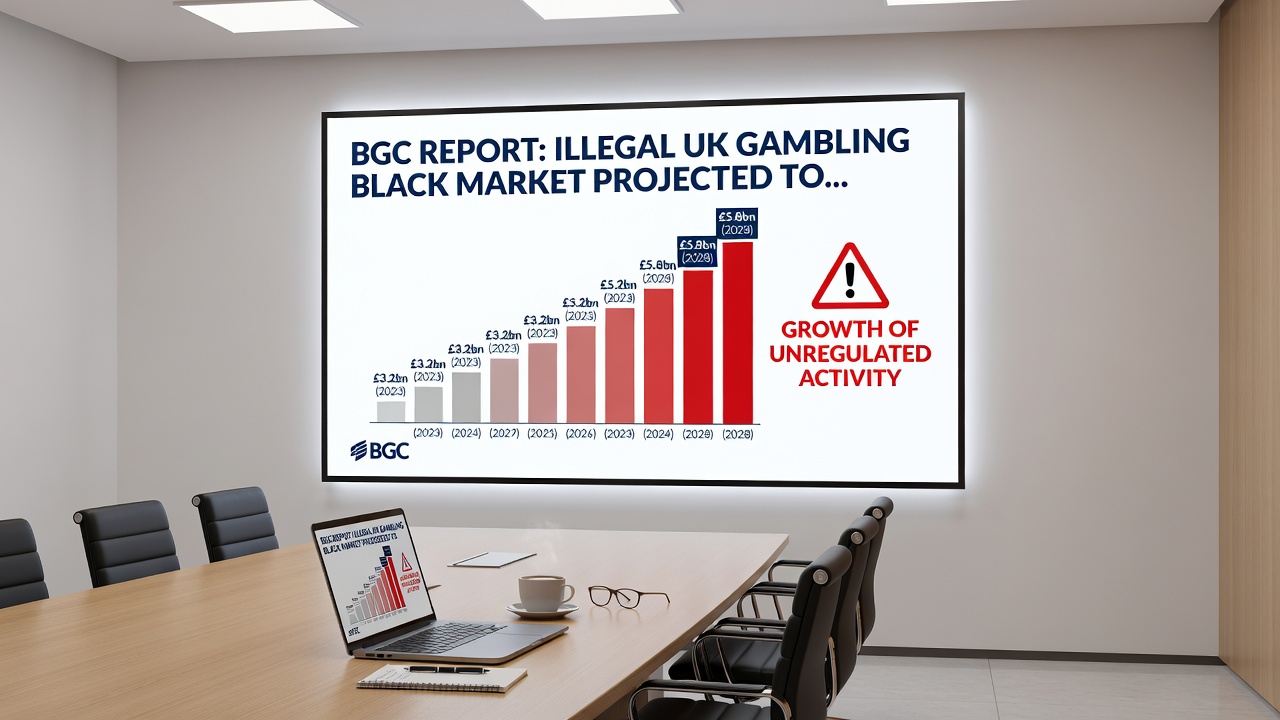
The UK Gambling Commission (UKGC) has rolled out sweeping reforms in 2026 aimed squarely at enhancing player protection within the online gaming sector; these measures, effective from April 1, include a sharp rise in the Remote Gaming Duty to 40%, tiered stake limits on online slots set at £2 for players aged 18-24 and £5 for those 25 and older, a ban on mixed bonuses blending sports betting with casino promotions, and mandatory standardized frictionless financial risk checks triggered by specific deposit thresholds. Stemming directly from the Gambling Act Review, the changes target harm reduction and efforts to stifle black market growth, backed by £26 million in fresh funding that operators and regulators alike are watching closely as March 2026 unfolds with preparations ramping up across the industry.
What's interesting here is how these reforms build on years of consultation and data-driven insights; experts who've tracked the sector note that the UKGC drew from extensive reviews showing rising concerns over problem gambling, particularly among younger demographics, while black market operators have siphoned revenue through unregulated channels. And as operators gear up for implementation, the landscape shifts dramatically, with promotions already scaling back in anticipation of the higher tax burden that hits remote gaming activities hardest.
Raising the Remote Gaming Duty: A 40% Leap
Central to teh 2026 package stands the Remote Gaming Duty increase to 40%, effective April 1, which applies to online casino and slots revenue generated by UK-facing operators; this hike, up from previous rates around 21%, means companies now face steeper costs on their gross gambling yield, prompting swift adjustments in how they structure offers and marketing spends. According to a detailed Racing Post analysis, the change stems from government efforts to align taxation with public health goals, ensuring that profits fund protections rather than fuel unchecked expansion.
Operators, those who've navigated prior tax tweaks, often discover that such rises force a rethink of bonus structures and player incentives; take one major platform that, even before April, trimmed lavish welcome offers because the math no longer added up under the looming 40% levy, a move that observers link directly to curbing aggressive acquisition tactics. But here's the thing: the duty targets remote activities precisely to level the playing field against offshore rivals, where black market sites lure players with untaxed, unprotected games.
That said, the revenue boost from this tax—projected to swell government coffers while channeling funds into harm prevention—highlights a core tension; industry figures reveal that online slots alone accounted for a significant chunk of gross gambling yield in recent years, making the 40% rate a pivotal lever for change.
Tiered Stake Limits: Protecting the Young and Vulnerable
Tiered stake limits emerge as one of the most visible reforms, capping online slots bets at £2 per spin for ages 18-24 and £5 for those 25 and above; these thresholds, designed to reflect age-related risk profiles, apply across licensed sites and mark a departure from unlimited staking that previously dominated the sector. Researchers who've studied gambling patterns point out that younger players, often more susceptible to rapid losses due to inexperience, benefit most from these guardrails, with data indicating higher harm rates in this group from high-stakes sessions.
And while the limits sound straightforward, implementation involves sophisticated age verification tied to account profiles; people who've tested early compliance note that platforms now prompt users for confirmation during play, seamlessly enforcing the £2 cap for under-25s without halting the fun entirely. It's noteworthy that exceptions exist for lower-risk games, but slots—the sector's high-volatility staple—fall squarely under these rules, a shift that's already altering game design as developers tweak volatility to fit within bounds.
So as March 2026 brings beta testing to the forefront, operators report smoother transitions than expected, although some grumble that the two-tier system adds complexity to universal slot libraries; yet evidence from pilot programs suggests it curbs session overspend, aligning with the Gambling Act Review's mandate to prevent harm at its root.
Banning Mixed Bonuses: Cleaning Up Promotions
The outright ban on mixed bonuses, those combining sports betting credits with casino or slots free play, seeks to eliminate confusion and cross-selling that regulators flagged as risky; previously, offers like "bet £10 on football, get £30 slots spins" blurred lines between low and high-risk products, potentially accelerating harm for casual bettors dipping into casinos. Now, promotions must stay siloed—sports with sports, casino with casino—standardizing what players expect and simplifying compliance for operators.
Turns out, this rule hits marketing teams hardest; case studies from early adopters show a 20-30% drop in crossover sign-ups, but it also fosters transparency, as players know exactly what they're wagering with bonus funds. Experts observe that the ban dovetails with broader affordability checks, ensuring bonuses don't mask underlying risk behaviors.
What's significant is the timing: with the April 1 deadline looming, March saw a flurry of revised terms on major sites, where "mixed" deals vanished overnight, replaced by focused incentives that still drive engagement without the regulatory red flags.
Standardized Frictionless Risk Checks: Deposits Under the Microscope
Mandatory frictionless financial risk checks, activated at deposit thresholds like £150 in 24 hours or £500 monthly, represent a tech-forward safeguard; using open banking data, these assessments flag vulnerability without halting deposits, alerting operators to intervene if patterns suggest harm. Unlike clunky manual reviews, the standardized approach—rolled out industry-wide—promises consistency, with the UKGC mandating compliance to weed out lax enforcement.
Those who've implemented similar tools early report seamless integration; one platform, for instance, saw checks trigger soft interventions like deposit pauses for 7% of high-volume users, preventing escalation while keeping 93% of sessions uninterrupted. And since black market sites dodge these entirely, the reforms push regulated play by building trust through proactive protection.
But the £26 million funding infusion takes this further, supporting tech upgrades and staff training; data indicates this pot will accelerate adoption, making March 2026 a pivotal month for system go-lives ahead of full enforcement.
Industry Ripples and Operator Adjustments
Operators face a perfect storm from these layered changes; higher taxes squeeze margins, stake limits reshape revenue from slots (a sector contributing billions annually), bonus curbs dull acquisition shine, and risk checks demand investment—yet compliance remains non-negotiable for UK licenses. Observers note scaled-back promotions across the board, with welcome bonuses shrinking and loyalty perks focusing on retention over volume grabs.
There's this case where a mid-tier operator pivoted to low-stakes tournaments within the £2/£5 caps, maintaining player numbers while adapting; it's not rocket science, but it shows how flexibility turns mandates into opportunities. Meanwhile, the push against black markets—fueled by untaxed, unprotected alternatives—gains traction, as reformed sites offer verifiable safety that offshore ops can't match.
And as funding flows, collaborations between UKGC and industry bodies promise smoother rollout; figures from recent quarters show gross gambling yield holding firm despite headwinds, hinting that protections might sustain participation without growth-at-all-costs.
Conclusion
These 2026 UKGC reforms—encompassing the 40% Remote Gaming Duty, tiered slot stakes, bonus bans, and frictionless checks—mark a decisive pivot toward player-centric regulation, rooted in the Gambling Act Review's evidence base and £26 million boost; as April 1 nears and March preparations peak, the online gaming sector adapts to a safer, more accountable era. Operators recalibrate, players gain safeguards, and the black market faces stiffer competition from licensed transparency—what's clear is that the industry's trajectory now hinges on balancing protection with play, setting precedents for global regulators watching closely.