Punts, Pixels, and New Rules: Decoding the UK's Betting Surge
UK Gambling Sector Faces Seismic Shift as Remote Gaming Duty Jumps to 40% on April 1, 2026

On April 1, 2026, the UK gambling industry stepped into uncharted territory when the Remote Gaming Duty (RGD) surged from 21% to 40%, a move announced by Chancellor Rachel Reeves back in November 2025 during her budget speech; operators across the board, from online betting giants to remote casino platforms, now grapple with nearly doubled tax liabilities on their gross profits, prompting swift and sweeping responses that ripple through marketing strategies, sponsorship deals, and corporate structures alike.
The Announcement and Its Immediate Timeline
Chancellor Reeves laid out the tax hike in her November 2025 budget assessment, targeting remote gambling activities to bolster HM Treasury coffers; the change took effect precisely on April 1, 2026, catching many in the sector after months of lobbying efforts fell short, while parliamentary debates revealed divided support with some lawmakers backing the revenue grab and others warning of unintended fallout. Data from industry trackers shows the RGD, which applies to online slots, casino games, and virtual sports rather than traditional sports betting under Point of Consumption Tax, now aligns more closely with reformed casino duties, creating a leveled playing field that's anything but level for operators' bottom lines.
What's interesting here lies in the precision of the rollout; firms had from November to prepare, yet the near-doubling stunned even veterans, as projections quickly mounted showing billions in redirected funds, though Treasury officials peg the first-year haul at £1.6 billion, a figure derived from Gambling Commission gross gambling yield stats extrapolated forward. Observers note how this timing coincides with peak spring racing season, amplifying the squeeze just as Cheltenham and Grand National hype builds.
Major Operators Swing into Damage Control
Flutter Entertainment, the powerhouse behind Paddy Power and Betfair, leads the pack in response strategies, slashing marketing budgets by 20-25% while eyeing deeper cuts if needed; Entain, home to Ladbrokes and more Paddy Power outlets, mirrors this with its own £100 million EBITDA dent forecast, triggering restructurings that include redundancies across UK teams and potential asset sales to streamline operations under the heavier load. Evoke, steering William Hill, joins the fray by trimming promotional spends and rethinking high-visibility partnerships, actions that cascade through supplier networks and affiliate programs alike.
Take Flutter's playbook, for instance: executives outlined a $320 million EBITDA hit in early disclosures, prompting not just belt-tightening but a pivot toward efficiency drives like tech upgrades for customer retention; Entain's moves echo this, with job cuts announced in tandem with sponsorship pullbacks, such as the axing of the Coral Cup at the Cheltenham Festival, a staple event that drew crowds and bets for years. And here's where it gets interesting; these operators, while hurting, position themselves as survivors in a fragmented field, potentially scooping market share from smaller players unable to weather the storm.
Yet smaller outfits face steeper climbs, often lacking the scale for such maneuvers; industry reports highlight how mid-tier remote gaming firms contemplate offshore shifts or outright exits, although UK regulations tether most to domestic licensing, making relocation a non-starter for many. People who've tracked these cycles know the pattern; tax hikes spark consolidation waves, where the strong absorb the weak, reshaping the competitive landscape in ways that favor Flutter and Entain long-term.
Projected Financial Ripples and Cost-Cutting Measures
Figures reveal stark impacts across the board: Flutter's $320 million EBITDA projection stems from direct RGD application to remote revenues, which ballooned post-pandemic; Entain's £100 million mirrors this math, calculated on 2025 baselines adjusted for growth trends, while Evoke anticipates proportional pain scaled to its William Hill footprint. Marketing budgets bear the brunt first, with 20-25% reductions translating to fewer ads during Premier League matches or Champions League finals, channels that drove acquisition in prior years.
Sponsorships follow suit; the Coral Cup's end at Cheltenham underscores this, as operators like Entain redirect funds from event naming rights to core retention tactics, a shift that leaves festivals hunting new backers amid sponsorship droughts. Restructurings loom large too, with redundancies hitting marketing, compliance, and ops teams; one case saw Entain confirm headcount trims in March 2026 filings, aligning layoffs with the April trigger to minimize overlap costs. Asset sales bubble up as options, particularly for non-core holdings like niche gaming studios or legacy retail chains, allowing cash infusions to offset tax drains.
But here's the thing; these cuts don't happen in silos, since they chain-react through ecosystems, from media outlets losing ad revenue to affiliates facing payout squeezes, all while punters notice thinner bonuses and promotions during high-stakes periods like Euro tournaments or domestic cup runs.
Government Goals Versus Industry Warnings
HM Treasury eyes £1.6 billion in fresh revenue, a windfall earmarked for public spending amid fiscal pressures; data indicates this stems from RGD's broadened scope catching remote growth trajectories that outpaced land-based segments since 2020. Supporters in Parliament point to equity arguments, noting how remote duties lagged behind physical casino taxes reformed earlier, creating what they call a loophole now sealed tight.
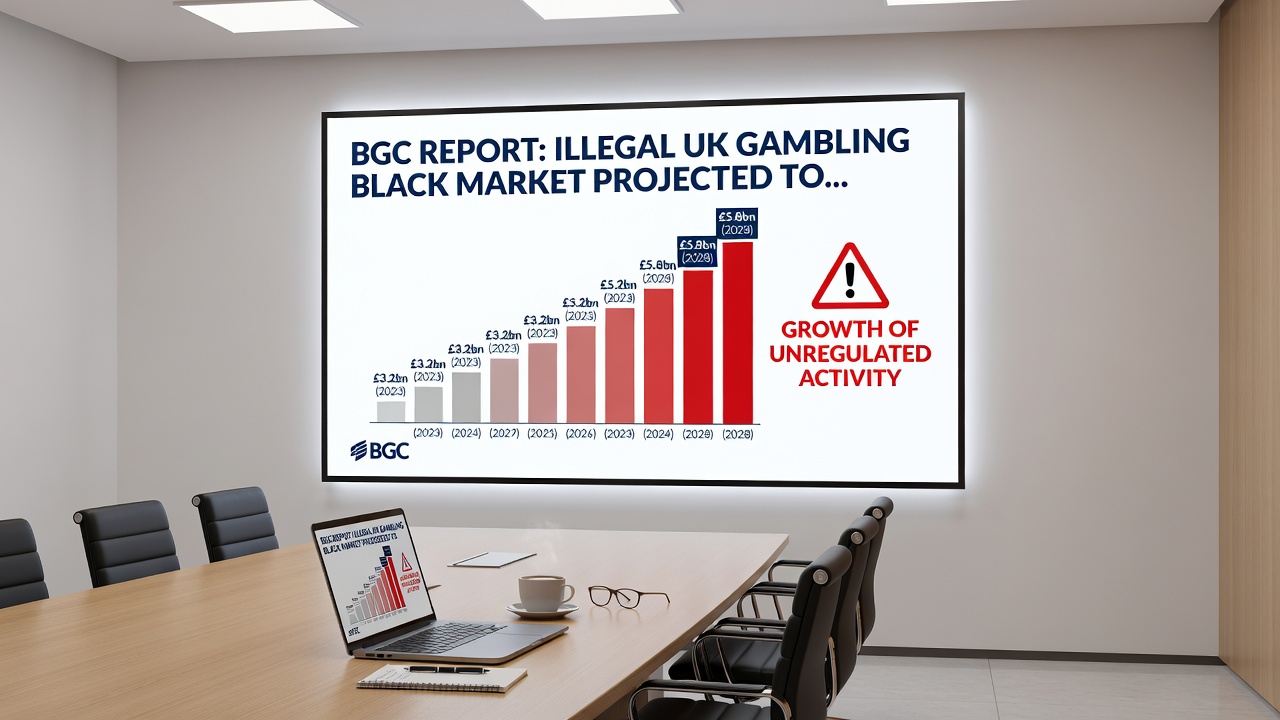
Critics, however, flag black market risks; observers who've studied offshore migration patterns warn that punters, facing slimmer odds or promotions, might drift to unregulated sites, a trend evident in past tax spates across Europe where licensed GGY dipped 5-10% initially. Stronger operators like Flutter counter this with loyalty pushes and tech barriers, potentially gaining share as weaker rivals falter; divided parliamentary support reflects this tension, with cross-party letters urging reviews even as the policy beds in on April 1, 2026.
Turns out enforcement plays key; Gambling Commission ramps up monitoring with enhanced KYC and geo-blocks, aiming to stem leaks, although experts note historical leaks during similar hikes drained legitimate yields by millions annually.
Broader Implications for Players and the Market
Punters feel the pinch indirectly through pared-back offers; studies from prior adjustments show bonus reductions lead to 10-15% churn toward competitors or shadows, yet loyalists stick where trust holds, benefiting scale players. Retail betting shops, spared direct RGD hits under POC regime, watch warily as online shifts accelerate, blending omnichannel strategies to capture spillover.
One study from industry analysts captured this dynamic, revealing how Flutter's integrated apps retained 85% of users post-similar pressures elsewhere, a resilience Entain emulates through data-driven personalization. And while black market fears loom, stronger compliance tools like AI fraud detection blunt those edges, keeping most action onshore despite the tax thunder.
Now, as April 2026 unfolds, the real test emerges in quarterly filings; early indicators suggest operators adapt faster than expected, with share prices dipping then stabilizing as efficiency gains offset chunks of the EBITDA blows.
Conclusion: A New Equilibrium on the Horizon
The Remote Gaming Duty's leap to 40% on April 1, 2026, marks a pivotal reset for UK gambling, channeling £1.6 billion to Treasury goals while operators like Flutter, Entain, and Evoke navigate via cuts, restructurings, and strategic sales; risks of black market drifts persist amid parliamentary splits, but data points to consolidation favoring giants, reshaping the sector into a leaner, more concentrated force as punters adjust to a promotions-thinner landscape. Those tracking the beat see parallels to past reforms, where initial shocks yield steadier growth curves, setting the stage for whatever fiscal twists lie ahead.