UK Black Market Betting Projections for 2026 World Cup Reveal Regulatory Challenges

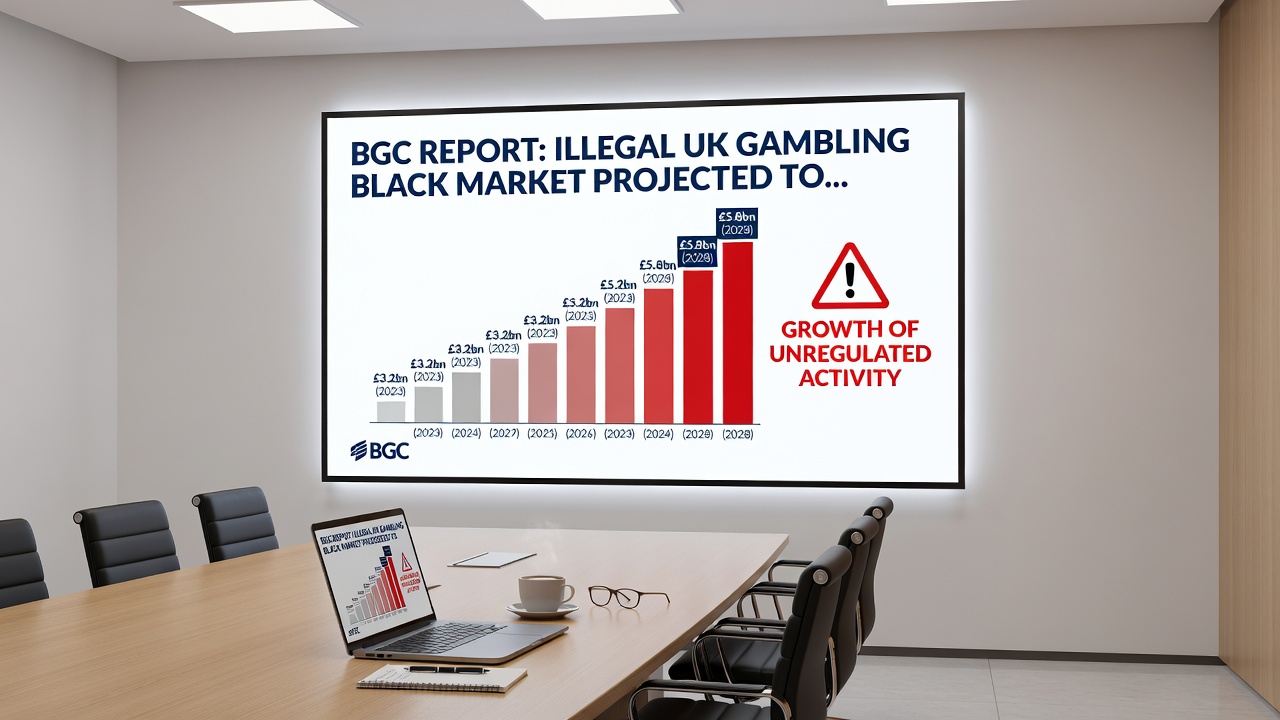
The Betting & Gaming Council released findings that place the illegal UK gambling market on track to capture approximately £200 million in stakes during the 2026 FIFA World Cup while regulated operators prepare to process more than £1 billion in the same period, and these figures emerge from detailed modelling that incorporates current participation patterns alongside expected tournament viewership levels across Britain.
Stake volumes in the unregulated sector could climb further to £250 million once proposed financial risk checks take effect, according to the same analysis, because such measures would redirect more than 50,000 customers toward operators that fall outside existing oversight frameworks and thereby reduce the effectiveness of consumer safeguards currently enforced by licensed platforms.
Context Behind the Projections
Data compiled by the Betting & Gaming Council draws on historical betting behaviour during major international tournaments together with recent shifts in player migration patterns, and the resulting estimates highlight how the upcoming 2026 event, scheduled to begin in June, could amplify existing pressures on the boundary between regulated and illegal markets.
Regulated operators stand positioned to handle the bulk of activity because they offer established payment systems, responsible gambling tools and verified market access, yet the modelling accounts for scenarios where additional verification steps create friction that some customers choose to avoid by moving elsewhere.
Impact of Proposed Financial Risk Checks
Under the modelled conditions, intrusive affordability assessments would prompt a measurable transfer of activity, with the black market absorbing an extra £50 million in stakes beyond the baseline £200 million projection, and this shift would involve more than 50,000 individuals who might otherwise remain within the licensed sector where transaction monitoring and self-exclusion options operate.
Consumer protection mechanisms such as deposit limits, age verification and dispute resolution processes lose reach once activity moves outside regulated channels, which explains why the council's analysis flags the potential erosion of safeguards as a direct consequence of the policy change.
Market Split During Major Events
Historical tournament data shows that major football competitions generate concentrated spikes in betting volume, and the 2026 World Cup is expected to follow this pattern while extending across multiple host venues and time zones that align with UK viewing hours, thereby sustaining interest throughout the competition period.
Regulated firms benefit from official partnerships and advertising rights that drive traffic to licensed sites, whereas illegal operators rely on word-of-mouth networks and alternative payment methods that evade standard reporting requirements, which creates the two-tier structure reflected in the council's split projections.
Customer Behaviour and Migration Patterns
Modelling indicates that customers who encounter additional documentation demands during the account verification process often explore unregulated alternatives rather than complete the checks, and this behaviour would account for the projected movement of over 50,000 users during the 2026 tournament window.
Those who migrate lose access to the dispute resolution services and financial dispute protections that licensed operators must provide, which in turn concentrates activity in environments where no such obligations exist and where enforcement remains limited.
Conclusion
The Betting & Gaming Council report therefore presents a clear numerical framework for understanding how policy decisions on financial risk checks could reshape stake distribution ahead of the 2026 FIFA World Cup, with regulated operators retaining the majority share while the unregulated segment grows under specific regulatory conditions.